Category Archives: Uncategorized

Natural Joint Pain Relief for Seniors Over 50

Joint pain is one of the most common complaints among seniors over 50.

Whether it’s stiffness in the knees, aching hips, sore shoulders, or swelling in the hands, joint discomfort can interfere with daily activities and overall quality of life.

While medications can offer temporary relief, many seniors prefer natural remedies for joint pain relief that are gentle, safe, and supportive of long-term joint health.

The good news is that there are effective, natural strategies that may help reduce pain, improve mobility, and support healthy aging.

Below, we’ll explore natural joint pain remedies for seniors over 50 that are practical, research-supported, and easy to incorporate into daily life.


Why Joint Pain Increases After Age 50

As we age, several factors contribute to joint pain:

  • Natural cartilage wear and tear

  • Reduced collagen production

  • Inflammation from poor diet or lifestyle habits

  • Loss of muscle mass supporting the joints

  • Previous injuries are becoming more noticeable

Understanding these causes helps explain why a whole-body, natural approach often works better than a single solution.


1.   Anti-Inflammatory Foods for Joint Pain             Relief

Diet plays a major role in joint health. Chronic inflammation can worsen stiffness and pain, especially in seniors.

Best Foods for Seniors Over 50:

  • Fatty fish (salmon, sardines)

  • Leafy greens (spinach, kale)

  • Berries (blueberries, strawberries)

  • Olive oil

  • Nuts and seeds

  • Turmeric and ginger

Reducing processed foods, refined sugar, and excess red meat may also help lower joint inflammation over time.


2.  Gentle Daily Movement and Stretching

Staying active is essential for joint health, even if pain is present. Movement increases circulation, lubricates joints, and strengthens the muscles that support them.

Senior-Friendly Options:

  • Walking

  • Chair stretches

  • Water aerobics

  • Light resistance bands

  • Tai chi or gentle yoga

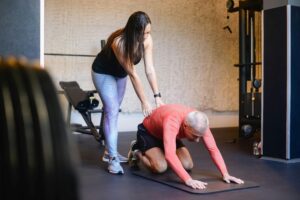
Cow yoga position
This yoga position helps relax one’s body as well as relieve stiffness.

Consistency matters more than intensity. Even 10–15 minutes a day can make a noticeable difference.


3.  Natural Supplements That Support Joint          Health

Some supplements may help seniors over 50 manage joint pain naturally. Always consult a healthcare provider before starting any supplement.

Commonly Used Options:

  • Glucosamine & chondroitin

  • Omega-3 fatty acids

  • Turmeric (curcumin)

  • Collagen peptides

  • Boswellia serrata

These supplements may support cartilage health, reduce inflammation, and improve flexibility when used consistently.

4. Heat and Cold Therapy for Joint Pain                           Relief


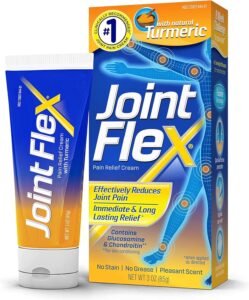
Joint Flex Creme
Effectively Reduces Joint Pain


Simple temperature therapy can provide fast, natural relief.

  • Heat therapy helps relax stiff joints and muscles

  • Cold therapy may reduce swelling and inflammation

Many seniors find alternating heat and cold especially helpful for knee or shoulder pain.


5. Maintaining a Healthy Weight

Excess body weight places added stress on weight-bearing joints such as the knees, hips, and lower back. Even modest weight loss can significantly reduce joint strain.

For seniors over 50, the focus should be on:

  • Balanced meals

  • Gentle movement

  • Sustainable habits rather than extreme diets

6. Natural Topical Remedies

Topical options may provide localized relief without affecting the entire body.

Popular natural choices include:

  • Capsaicin cream

  • Arnica gel

  • Magnesium oil

  • Essential oil blends (peppermint, eucalyptus)

These can be useful for sore knees, hands, or shoulders.


7. Improving Sleep and Stress Levels

Poor sleep and chronic stress increase inflammation and pain sensitivity.

Helpful habits include:

  • A consistent sleep schedule

  • Relaxing bedtime routines

  • Deep breathing or meditation

  • Limiting caffeine late in the day

Quality rest allows the body time to repair and recover.


When to See a Healthcare Professional

Natural remedies can be highly effective, but joint pain should never be ignored if it:

  • Worsens suddenly

  • Causes severe swelling

  • Limits basic movement

  • Persists despite lifestyle changes

A healthcare provider can rule out serious conditions and help guide safe treatment options.


Final Thoughts:

Natural Joint Pain Relief Is Possible After 50

Joint pain does not have to control your life after age 50.

By focusing on natural remedies, seniors can often reduce discomfort, improve mobility, and stay active without relying solely on medications.

The key is consistency, patience, and choosing strategies that support the entire body — not just the joints.

10 Proven Home Remedies to Remove Joint Pain Naturally

Joint pain affects millions of people worldwide, limiting mobility and diminishing quality of life.

While medications and surgeries are common solutions, natural remedies offer an effective, low-risk alternative for managing joint discomfort.


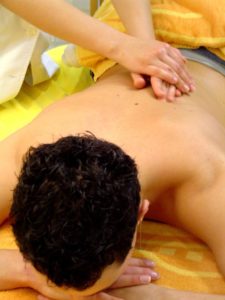
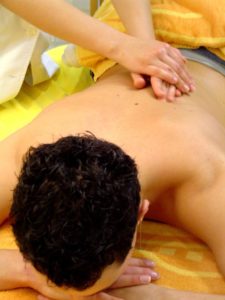
joint message

In this post, we’ll explore 10 proven home remedies that can help you remove joint pain naturally and get back to feeling your best.

1. Turmeric and Ginger Tea

Both turmeric and ginger are celebrated for their anti-inflammatory properties.

Turmeric contains curcumin, a compound known to reduce inflammation and alleviate joint pain.

How to Use:

Boil 1 cup of water.

Add 1 teaspoon of turmeric powder and ½ teaspoon of grated ginger.

Simmer for 5 minutes, strain, and drink twice daily.

Tip: Adding a pinch of black pepper increases curcumin absorption.

2. Epsom Salt Baths

Epsom salt is rich in magnesium, which helps relax muscles and reduce inflammation in joints.


How to Use:

Dissolve 2 cups of Epsom salt in a warm bath.

Soak for 20 minutes, focusing on the affected areas.

Repeat 2-3 times a week.

3. Essential Oils for Joint Pain Relief

Essential oils like peppermint and lavender have soothing effects that can reduce swelling and discomfort.

How to Use:

Mix a few drops of essential oil with a carrier oil (e.g., coconut or olive oil).

Massage the mixture onto the painful joints twice daily.

4. Apple Cider Vinegar (ACV)

ACV is known to detoxify the body and reduce inflammation.

How to Use:

Mix 1 tablespoon of ACV in a glass of warm water.

Add a teaspoon of honey for taste and drink once a day.

5. Heat and Cold Therapy

Alternating between heat and cold therapy helps reduce inflammation and improve circulation.

How to Use:

Apply a cold pack wrapped in a cloth to the joint for 15 minutes.

Follow with a warm compress for another 15 minutes.


Repeat this cycle 2-3 times a day.

6. Omega-3 Fatty Acids

Omega-3s found in fish oil supplements or fatty fish like salmon reduce joint inflammation.

How to Use:

Consume fatty fish twice a week.

Alternatively, take fish oil capsules daily (consult your doctor for the right dosage).

7. Stretching and Yoga

Gentle stretches and yoga poses improve joint flexibility and reduce stiffness.


How to Use:

Practice poses like the Cat-Cow stretch and Child’s Pose daily.

Join a beginner yoga class tailored to joint health.

8. Aloe Vera Gel

Aloe vera has anti-inflammatory and soothing properties.

How to Use:

Apply fresh aloe vera gel directly to the painful joint.

Leave it on for 15-20 minutes before rinsing.

Repeat twice a day.

9. Garlic

Garlic contains sulfur compounds that can reduce inflammation and boost immune health.

How to Use:

Eat 1-2 raw garlic cloves daily.

Alternatively, add garlic to your meals regularly.

10. Weight Management

Excess weight places extra stress on joints, exacerbating pain.

How to Use:

Follow a balanced diet rich in anti-inflammatory foods.

Incorporate low-impact exercises like walking or swimming into your routine.


FAQs

Q: How quickly do these remedies work?

Results vary, but consistent use of these remedies can show improvement within a few weeks.

Q: Can I combine multiple remedies?

Yes, many of these remedies complement each other. For example, pair turmeric tea with yoga for enhanced results.

Conclusion

Joint pain doesn’t have to control your life. By incorporating these natural remedies into your daily routine, you can effectively manage pain and improve your overall joint health.

10 TIPS TO RELIEVE OSTEOARTHRITIS

How to relieve osteoarthritis can be relieved through a physician’s care and by following an exercise regimen.  Osteoarthritis in the knees can be painful for anyone who experiences it.  

The day-to-day stress of dealing with aches and pains associated with osteoarthritis can be taxing mentally as well as physically.  But there are steps to remove joint pain.

In this age of advanced medicines and treatments, there are quite a few ways to alleviate the pain; anyone can get relief with these methods.


1. Over-The-Counter Pain Relievers

Most health practitioners recommend Tylenol or acetaminophen to deal with osteoarthritis pain.

The local pharmacy can provide quite a few pain relievers, no prescription needed. 


The medication you choose need not be expensive; pick one that works for you and is within your budget.


2.  Topical Arthritis Creams

Topical arthritis creams provide instant relief for arthritis pain.

Apply the cream directly to the affected areas of the joints.  You may notice a slight discomfort before it starts to relieve the pain.

This relief is mainly as long as over-the-counter pain relief pills. On the product label, the active ingredients in over-the-counter arthritis creams may contain capsaicin.

It is also found in cayenne pepper. 

Many Capsaicin creams are recommended, but cayenne pepper spice can be mixed with foods for flavor and health benefits.

3.  Prescribed Medication To Help Joint     Pain              

Physicians can write prescriptions for pain that can’t be alleviated by over-the-counter medications. 

Opioids are prescription pain relievers, but there is a risk of addiction or problems from improper use.  

There is an epidemic of opioid overdoses currently in this country.

 Hydrocodone, or oxycodone, may be prescribed if your doctor or physician determines you to be a low-risk taker.


4.  Remove Joint Pain With Heat

Heat, applied in several ways, provides some relief from arthritis pain.

Fill a bathtub with warm water, use a warm washcloth, or buy a heating pad.  Whatever method is used,  be sure not to burn the skin. 

Cold applications can also be beneficial to some people. Some professionals in the medical field will recommend alternating between hot and cold.


5.  Exercise To Help Remove Joint Pain

Strong muscle strength is needed to help reduce joint pain.  With strong muscles, you can rely on them, which helps put less pressure on aching knees.

Strong muscles give the joints extra protection and cushion. Exercise is advised to further strengthen the joints and muscles.

Start with slow with low-impact exercises if it becomes painful to exercise.  Stretching and light walking is enough to start at first. 

If still too painful, consider low-impact water exercises.


6.  Physical Therapy

Some osteoarthritis patients may find it too painful to exercise.

Exercise has long-term health benefits because not only does it promote an overall healthy body, but it does provides joint protection through increased muscle strength. 


joint pain removal


You can exercise at home, but engaging in physical therapy is more beneficial. In some cases, this gives you easy access to water exercises. You can also learn safe, low-impact exercises to do at home.


7.   Weight Loss

Not all patients suffering from osteoarthritis are overweight, but those who are increase the risk of pain.

The more weight one carries around, the more pressure is applied to the knees.   If you can lose weight without risking your health in the process, do so.

The best way to lose weight is to combine exercise with healthy eating.

8.   Knee Braces

Those who suffer from osteoarthritis in the knees are more likely to experience difficulty walking.  It can be painful to walk from one room to another, let alone leave the house. 

 A knee brace can provide support and stability.  A properly fitting knee brace not only makes it easier to walk but less painful!

Knee braces are available for sale at most health and drug stores, but talk to your physician first.

9.  Walking Aids

Those with mild osteoarthritis in the knees can benefit from a cane.

Those with severe osteoarthritis in the knees may need crutches.  As previously stated, walking is difficult with arthritis in the knees.

It is painful, and there is an increased risk of falls due to instability. Cane or crutches can provide support.


10.   A Strong Support System

When the pain is so unbearable it seems as if nothing will work, some individuals lose hope.  

Those individuals are more likely to suffer in silence than seek treatment. 

If you are one of those individuals or if you just need a boost to lose weight or exercise, a strong support system is vital

Many individuals find that talking about their pain helps to ease it. 

So be sure you have someone at home to discuss your arthritis with or find local support groups.

ARTHRITIS AND THE BENEFITS OF EXERCISE

The Benefits Of Exercise
Helps Ease Joint Pain

Your bones and joints are very crucial to your body.  They connect at different locations;  The joints in your fingers, knees, hips, and toes. 

Cartilage, a rubbery, protective layer that is present where your bones meet, guarantees that the joints bend smoothly and painlessly. 

But even cartilage needs help to do its job. The benefits of exercise ensure that the joints stay strong and pliable.

Health professionals diagnose and treat pain in arm

A thin membrane called the “synovium” provides fluid that lubricates the working parts of the joint.  When the cartilage wears out, the synovium becomes irritated or inflamed.

This results generally in a case of “osteoarthritis” or “rheumatoid arthritis.”


In osteoarthritis, the cartilage can break down to the point that bone does rub on bone. This type of arthritis develops gradually over a lifetime; a result of the wear and tear placed on your joints over the years.


A small minority of people escape some degree of osteoarthritis, though the severity of it may vary a great deal. 

If you are over the age of 50, you are more than likely to have at least one joint affected by osteoarthritis. 

Osteoarthritis is the most common type of arthritis, with almost 16 million Americans (men and women) on the list.
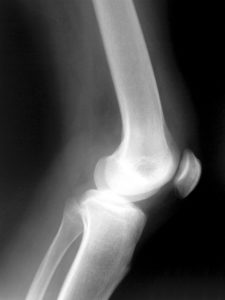
 

Example of arthritis in joints


In rheumatoid arthritis, damage to the synovium is the source of trouble.

  Doctors and researchers are not sure what causes it, but most think that rheumatoid arthritis is a disease in which the immune system attacks certain tissues in the body, including those that connect the joints and the synovium.


Starting with swollen, red, stiff, and painful joints, rheumatoid arthritis may continue until scar tissue forms in the joint or, in extreme cases, until the bones meld together.


Almost 75% of the 2 million people with rheumatoid arthritis in the United States are women.  The disease can hit as early as the teen years.


Prevention Through The Benefits Of Exercise

A good exercise and stretching plan can lead to great results when it comes to staving off arthritis.

Strong muscles help protect the joints from wear and tear. Exercises help keep the joints supple and flexible.


For anyone over the age of 50, good exercise planning is a must to keep the joints. 

In reality, most people over 50 would rather sit back and watch others jog by.

They believe that exercise is just for people who have been athletic all their life, or that exercise is for young people and participating in exercise will do them more harm than good.
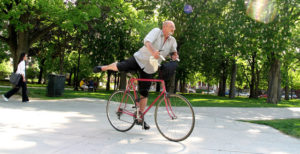
 

Bike riding for health and fitness


People always make excuses when they don’t want to do something; “It’s too hard”, “no time in my schedule”, “I’m too tired”, and so on.  

If you want to make life easier with arthritis, start doing exercises to lessen the pain and increase mobility in your joints.


The key is consistency; get into the routine of exercising each day, and increase it over time.  

Preventing arthritis is not an exact science, but doctors have found several ways to lower the risk:


1. Don’t wait to lose weight

Losing weight is at the top of the list as the single most important measure to prevent osteoarthritis of the knee.

The more you weigh puts extra pressure on your knees.  For example, you put 60 pounds per square inch of extra pressure on your knees every time you take a step. 

That extra weight will erode the cartilage in your knees, leading to arthritis.


Knee cartilage pain


A theory that weight loss prevents the onslaught of arthritis is supported by a study. 

It states that overweight women who have lost 11 pounds or more over 10 years reduced their risk by 50% of developing osteoarthritis of the knee.


2. Stretch your muscles & Prevent Stiffness

Some of the health professionals of clinical medicine in New York City have discovered that any kind of stretching is good as long as you are careful not to bounce.

Bouncing can lead to a painful pull of the muscle(s).

Try to maintain a slow, steady stretch for 15 to 20 seconds, then relax and repeat.

 

Exercising with partner


Be sure to warm up your muscles by stretching before any exercise, including running and walking. 

Consequently, it is also a good idea to stretch each day.

Ask your physician to teach you stretches that focus on potential arthritis trouble spots, such as the knees or the lower back.


3. The best exercise is walking

A good long walk at least three times a week, and participating in a step-aerobics or low-impact exercise routine can produce great results. 

There is no proof that running is bad for the joints, but remember, it may flare up an injury if you already have one. 

 

Running Improves health


Just remember to check with your health physician before beginning a new exercise program.

Exercise is necessary for good health and well-being. It helps reduce the wear and tear on joints.

Increased mobility in arthritic limbs is one of the benefits of daily exercise. 

Your body is not at its full peak if you don’t have an exercise regime.

Create a plan to get your body in shape while you are healthy.



Keep in mind that a person who does not exercise, even if free from the symptoms of illness or problems like arthritis, is not at their full potential.

Check with a doctor, make a plan, and start exercises as soon as possible.

5 Tips For Dealing With Arthritis Pain Daily

Helpful Tips When Dealing With Arthritis Pain


Dealing with arthritis,  pain, and swelling in the joints will make it difficult to do daily activities. 

Whether you are subject to periodic bouts of pain or experience it all the time, functioning day to day may seem impossible at times. 


So what can a person do to make life easier when living with arthritis?

There are 5 tips for dealing with arthritis pain to make your life more manageable.

Tip #1.

Make Your Living Quarters Easier To Move Around In


Arthritis of the knees, hips, or feet will make it hard to maneuver around in your house or apartment. 

Even the simple act of walking from one room in your home to the next may subject you to minor to extreme discomfort.

Therefore, try to make it as easy as possible to get around by moving furniture in your space. 

Family members or friends can help to rearrange your furniture to create a straight path, reducing the turns and steps you have to make getting around your various rooms.


Tip #2.

Arrange Your Kitchen Space To Put Objects Within Reach


When arthritic pain is present, it can be difficult to reach for and grip needed objects when your joints hurt. 

Instead of using the high shelves in the kitchen, it is better to put all foods and dishes on lower shelves or utilize your countertop.


Do you have trouble trying to grasp dresser drawer handles due to pain in your hands? 

A better solution would be to use your closet to hang clothes.  Garments will come right off the hangers with just a tug.


Tip #3.

Keep Pain Relievers Readily Available In The Home And Car


All arthritis patients usually experience pain daily.  The use of pain relievers can be effective in relieving or eliminating pain for a while.

In as little as 15 minutes, they can help relieve pain and suffering in the affected joints.


Be sure to keep on hand over-the-counter arthritis creams; they provide pain relief as soon as skin contact is made.


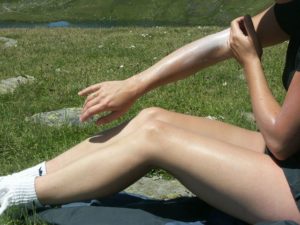
leg and arm pain


Keep some pills and creams in your home, car, and purse so that you will always have some form of medication in reach. 

Although there are various ways to reduce the risk of arthritis pain, keep in mind that anything can activate pain. Therefore, always be prepared to deal with it.

The toes, feet, hips, or knees can be difficult and painful. Pressure is applied to your already painful joints with each step you take.

Walking aids help to reduce the weight that you put on the affected areas.

Devices such as knee braces, crutches, or canes contribute greatly to getting around.

The less pressure you apply to your joints, the less pain you should feel.


Tip #4.

When Dealing With Arthritis, Ask For Help When The Need Arises


Arthritis patients experience times when they feel helpless; they may also feel too proud or even ashamed to ask for help.

The loss of doing daily activities may affect one,s mental state as well.


Normally, simple tasks such as opening a jar of mayonnaise, a walk to the mailbox, or lifting a heavy box can prove to be frustrating.

Although it can be hard, don’t be afraid to ask for help.

Ask your neighbor to deliver your mail to your home and save a heavy box until a family member can help you.


Tip #5.

Keep A Written Record Of Day To Day Activities Of Dealing With Arthritis Pain


One of the many problems arthritis patients face is difficulty in dealing. 

Discussing problems with a medical professional, a family member, or a friend can help ease whatever anxiety or tension you may have.

Dealing With Arthritis


One of the worst things to do is to keep these emotions from building up inside of you.

Becoming bitter about your situation may well do more harm than good.

If you are angry about having arthritis, try to get it out of you and learn to deal with issues and complications as they arise.

One way is to join a support group. It is best to talk to someone at home or join an arthritis support group.

Keep a journal and be sure to write down all feelings, including the good and the bad aspects.

There are many ways to treat and manage arthritis pain.

Over-the-counter products are a lifesaver for many arthritis patients, but they are not the only option.

The first step should be focusing on day-to-day tasks.

When these tips make one’s life seem easier and less painful, the rest will simply fall into place.

Your well-being when living with arthritis involves not only dealing with your physical capabilities but having a stable frame of mind as well.

CAYENNE PEPPER FOR ARTHRITIS RELIEF


How To Relieve Pain With Cayenne Pepper


Most people dealing with arthritis usually turn to over-the-counter pain medications to relieve pain.  You can consult a doctor or medical professional to find out what pain medication to obtain from a drugstore.


There are also natural remedies available to help relieve arthritis pain. One natural remedy is cayenne pepper, also known as red chili pepper.


Questions arise about the use and properties of cayenne pepper such as;

1. What type of red pepper?

2. How much cayenne pepper can be consumed in the body?

3. Can it be eaten (either with other foods or by itself?

4. Can it be rubbed directly to the skin and how often?

The above questions and more may be answered below.


Cayenne pepper is readily available in a variety of forms, including oil, capsules, pepper, and creme. Cremes can be obtained at the local pharmacy.

The local food store or supermarket will suffice to include cayenne pepper in your daily foods.


Remedy #1:  Health Benefits Of Castor Oil

Take a small amount of red pepper with a small amount of castor oil and mix them together. Soak a cloth or paper towel in the mixture and apply to the affected area. It can be applied and left on overnight if need be.


There are many health benefits of castor oil but it is not recommended for everyone. Try this home method day-time for a few hours at first. If there is a reduction of arthritis pain without any reactions, then apply it on at night for relief.

Remedy #2:  Cayenne Pepper

Buy the cayenne pepper spice (dry mixture) at your local grocery store and add to food. Digestive problems may appear, such as difficulty to digest food;  your body may need time to adjust to the cayenne pepper remedy.


The best way to prevent or reduce problems is to start slow.  Start with 1/8 tablespoon per day and gradually increase to two teaspoons a day. This amount can be spread out over different meals. Also, red pepper can be added to most foods.


Remedy #3:  Hot Sauce

Hot sauce that is made from cayenne pepper can be purchased. Make sure The hot sauce label should state the main ingredient is “aged cayennes”.


Apply to the arthritic pain-affected areas of the body at least two times a day. Many people say that this home remedy does work, but be aware that hot sauce will most likely stain clothing.


Remedy #4:  Capsaicin

This is an alternative to using the above-mentioned hot sauce. Purchase an over-the-counter topical cream with capsaicin as the main ingredient.


Many creams use capsaicin, which is derived from cayenne pepper. Budget wise, try the above mentioned hot sauce remedy first.


Always weigh the risk first and speak with a trusted medical professional. Learn what risks are involved when mixing these remedies with current medications. Capsaicin is an active ingredient in cayenne pepper.


It can interact with several drugs, including ACE inhibitors, acid reducers, blood thinners, and aspirin. Stop taking any of these medications until consultation with a doctor.


If this remedy works, a decrease in pain will be the result in the arthritic areas of the body. The longer these home remedies are implemented, the less pain will be experienced. As previously stated, the active ingredient in cayenne pepper is capsaicin.


It is found in many medications and has aspirin like qualities. The pepper improves blood flow and circulation and releases natural endorphins, which help combat pain and discomfort.


Remember our bodies process food differently, meaning cayenne pepper may provide arthritis relief from some, but not others. It is best to experiment to find the best pepper remedy and dosage.


Shoulder Impingement Test And Treatment

A shoulder impingement is an injury of the shoulder muscles caused by a heavy impact, crash, or sudden movement.

The symptoms may include pain on top of the shoulder or the rotator cuff.


You will also feel pain while raising the shoulder or moving it.

Usually, athletes suffer from shoulder impingement syndrome and its symptoms.

Therefore, any accident can make us victims too and negatively impact our shoulders and muscles.

WHAT ARE THE KEY SYMPTOMS?


You will be unable to reach your hands behind the back.  Even if you do, it will be with great difficulty and pain in your muscles. 

Also, when you move your arms along the rotator cuff or move your arm out to the side in a sixty-degree arc, you will feel a surge of pain.


It is not easy to detect the symptoms and assess them yourself. 

You do not know the extent of your injury, and might wind up causing more damage if you are careless. 

So it is best you go to a therapist to get it checked out.


DIAGNOSIS: HOW TO DETERMINE WHAT WENT WRONG?

When you go to a sports injury expert, they will do a detailed assessment by asking questions about your injury.

He will ask about your medical history and any previous injuries incurred to your shoulders.  Keep in mind, that going to a therapist is very important to locate your injury and to receive a full and correct assessment of your impingement.


The therapist will look and feel around your shoulder, trying to locate your points of pain.

He will also look for changes in your skin temperature and places with muscular tightness.

Afterward, the therapist might want you to move your hands to see the range of motion on your shoulders.


He or she will try to locate for any muscle weakness while comparing your normal arm to the injured one.

ou will be the best judge as to what is okay and what is not. Let he or she know what you are feeling.

SHOULDER TESTS THAT YOU CAN TAKE:

There are different kinds of tests that a therapist/ sports professional will ask you to take to complete your assessment.

A few of them are listed below for informational purposes.


1. Empty Can—

In this test, the therapist asks you to put your arms out in front of you at an angle of 45 degrees to your body and point your thumb downwards to the floor as if holding an empty can.

The medical professional will then ask you to slowly raise your arm as he will provide resistance to your movement. This tests the Supraspinatus tendon of your arms.

2. Neer’s Sign—

To look for impingement on the Supraspinatus tendon, the professional will try to position your arm with the thumb facing downwards to the ground, and again move your arm to an angle of 45 degrees to your body.


He or she will try to move your arms up to a position above your head. If you experience pain and heavy discomfort, there’s a chance of the impingement of the tendon.


3. Hawkin’s- Kennedy Test—

The professional will try to move your hands up and in front of you to an angle of 90 degrees, given that the elbow is bent.

They will try to rotate it and find the spot of pain by turning the wrist down and the elbow up. If this gives you pain and discomfort, you have an impingement of the Supraspinatus tendon.

SHOULDER IMPINGEMENT  SYNDROME TREATMENT:

Shoulder impingement syndrome can be treated by a lot of methods.

You can simply take and ingest oral inflammatory medications.

These are commonly called aspirin, ibuprofen, and naproxen.

They are the most easily available drugs to get rid of the immediate pain.

The response to these medications differs from person to person, so it is of utmost importance to first secure a prescription from a doctor who will recommend the best medication for you. 

If the medication doesn’t work in a week or two, alert your doctor to how your body reacts to the medicine and get another one prescribed.

Daily morning slow- stretching in a warm shower might help, and you could slowly make your thumb work its way up and behind your back. 

Don’t try to rush the process and avoid playing sports for a while; especially if you are an athlete, to stop receiving repetitive injuries in the same arm before recovery.

SHOULD YOU GO FOR IT?

You can feel uncomfortable at any point in time. It might be when you’re playing on the field, and it may even happen when you’re sleeping.

Your doctor might recommend a physiotherapist for you who will help you work out by stretching your arm with exercises that will further strengthen the shoulder muscles.

If your symptoms persist and do not go away in a while, your doctor might recommend a cortisone-based injection which is a viable anti-inflammatory medicine.

If that doesn’t help, the doctor will send you to get an MRI or an arthrogram done to see the extent of your injuries and evaluate a better treatment for you.

IN CONCLUSION:

A majority of people have been successfully treated with the help of anti-inflammatory drugs and injections.

Regular stretching exercises and avoiding further injuries until the shoulder has had time to completely recover are very important.

Nobody can take care of your body unless you commit to it too.  If you want to recover in a short period, follow your doctor’s recommendations.