Joint pain is one of the most common complaints among seniors over 50.
Whether it’s stiffness in the knees, aching hips, sore shoulders, or swelling in the hands, joint discomfort can interfere with daily activities and overall quality of life.
While medications can offer temporary relief, many seniors prefer natural remedies for joint pain relief that are gentle, safe, and supportive of long-term joint health.
The good news is that there are effective, natural strategies that may help reduce pain, improve mobility, and support healthy aging.
Below, we’ll explore natural joint pain remedies for seniors over 50 that are practical, research-supported, and easy to incorporate into daily life.
Why Joint Pain Increases After Age 50
As we age, several factors contribute to joint pain:
Natural cartilage wear and tear
Reduced collagen production
Inflammation from poor diet or lifestyle habits
Loss of muscle mass supporting the joints
Previous injuries are becoming more noticeable
Understanding these causes helps explain why a whole-body, natural approach often works better than a single solution.
1. Anti-Inflammatory Foods for Joint Pain Relief
Diet plays a major role in joint health. Chronic inflammation can worsen stiffness and pain, especially in seniors.
Best Foods for Seniors Over 50:
Fatty fish (salmon, sardines)
Leafy greens (spinach, kale)
Berries (blueberries, strawberries)
Olive oil
Nuts and seeds
Turmeric and ginger
Reducing processed foods, refined sugar, and excess red meat may also help lower joint inflammation over time.
2. Gentle Daily Movement and Stretching
Staying active is essential for joint health, even if pain is present. Movement increases circulation, lubricates joints, and strengthens the muscles that support them.
Senior-Friendly Options:
Walking
Chair stretches
Water aerobics
Light resistance bands
Tai chi or gentle yoga
This yoga position helps relax one’s body as well as relieve stiffness.
Consistency matters more than intensity. Even 10–15 minutes a day can make a noticeable difference.
3. Natural Supplements That Support Joint Health
Some supplements may help seniors over 50 manage joint pain naturally. Always consult a healthcare provider before starting any supplement.
Commonly Used Options:
Glucosamine & chondroitin
Omega-3 fatty acids
Turmeric (curcumin)
Collagen peptides
Boswellia serrata
These supplements may support cartilage health, reduce inflammation, and improve flexibility when used consistently.
4. Heat and Cold Therapy for Joint Pain Relief
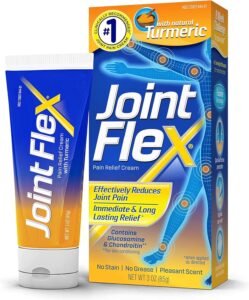
Effectively Reduces Joint Pain
Simple temperature therapy can provide fast, natural relief.
Heat therapy helps relax stiff joints and muscles
Cold therapy may reduce swelling and inflammation
Many seniors find alternating heat and cold especially helpful for knee or shoulder pain.
5. Maintaining a Healthy Weight
Excess body weight places added stress on weight-bearing joints such as the knees, hips, and lower back. Even modest weight loss can significantly reduce joint strain.
For seniors over 50, the focus should be on:
Balanced meals
Gentle movement
Sustainable habits rather than extreme diets
6. Natural Topical Remedies
Topical options may provide localized relief without affecting the entire body.
Popular natural choices include:
Capsaicin cream
Arnica gel
Magnesium oil
Essential oil blends (peppermint, eucalyptus)
These can be useful for sore knees, hands, or shoulders.
7. Improving Sleep and Stress Levels
Poor sleep and chronic stress increase inflammation and pain sensitivity.
Helpful habits include:
A consistent sleep schedule
Relaxing bedtime routines
Deep breathing or meditation
Limiting caffeine late in the day
Quality rest allows the body time to repair and recover.
When to See a Healthcare Professional
Natural remedies can be highly effective, but joint pain should never be ignored if it:
Worsens suddenly
Causes severe swelling
Limits basic movement
Persists despite lifestyle changes
A healthcare provider can rule out serious conditions and help guide safe treatment options.
Final Thoughts:
Natural Joint Pain Relief Is Possible After 50
Joint pain does not have to control your life after age 50.
By focusing on natural remedies, seniors can often reduce discomfort, improve mobility, and stay active without relying solely on medications.
The key is consistency, patience, and choosing strategies that support the entire body — not just the joints.
Dealing with arthritis, pain, and swelling in the joints will make it difficult to do daily activities.
Whether you are subject to periodic bouts of pain or experience it all the time, functioning day to day may seem impossible at times.
So what can a person do to make life easier when living with arthritis?
There are 5 tips for dealing with arthritis pain to make your life more manageable.
Tip #1.
Make Your Living Quarters Easier To Move Around In
Arthritis of the knees, hips, or feet will make it hard to maneuver around in your house or apartment.
Even the simple act of walking from one room in your home to the next may subject you to minor to extreme discomfort.
Therefore, try to make it as easy as possible to get around by moving furniture in your space.
Family members or friends can help to rearrange your furniture to create a straight path, reducing the turns and steps you have to make getting around your various rooms.
Tip #2.
Arrange Your Kitchen Space To Put Objects Within Reach
When arthritic pain is present, it can be difficult to reach for and grip needed objects when your joints hurt.
Instead of using the high shelves in the kitchen, it is better to put all foods and dishes on lower shelves or utilize your countertop.
Do you have trouble trying to grasp dresser drawer handles due to pain in your hands?
A better solution would be to use your closet to hang clothes. Garments will come right off the hangers with just a tug.
Tip #3.
Keep Pain Relievers Readily Available In The Home And Car
All arthritis patients usually experience pain daily. The use of pain relievers can be effective in relieving or eliminating pain for a while.
In as little as 15 minutes, they can help relieve pain and suffering in the affected joints.
Be sure to keep on hand over-the-counter arthritis creams; they provide pain relief as soon as skin contact is made.
Keep some pills and creams in your home, car, and purse so that you will always have some form of medication in reach.
Although there are various ways to reduce the risk of arthritis pain, keep in mind that anything can activate pain. Therefore, always be prepared to deal with it.
The toes, feet, hips, or knees can be difficult and painful. Pressure is applied to your already painful joints with each step you take.
Walking aids help to reduce the weight that you put on the affected areas.
Devices such as knee braces, crutches, or canes contribute greatly to getting around.
The less pressure you apply to your joints, the less pain you should feel.
Tip #4.
When Dealing With Arthritis, Ask For Help When The Need Arises
Arthritis patients experience times when they feel helpless; they may also feel too proud or even ashamed to ask for help.
The loss of doing daily activities may affect one,s mental state as well.
Normally, simple tasks such as opening a jar of mayonnaise, a walk to the mailbox, or lifting a heavy box can prove to be frustrating.
Although it can be hard, don’t be afraid to ask for help.
Ask your neighbor to deliver your mail to your home and save a heavy box until a family member can help you.
Tip #5.
Keep A Written Record Of Day To Day Activities Of Dealing With Arthritis Pain
One of the many problems arthritis patients face is difficulty in dealing.
Discussing problems with a medical professional, a family member, or a friend can help ease whatever anxiety or tension you may have.
One of the worst things to do is to keep these emotions from building up inside of you.
Becoming bitter about your situation may well do more harm than good.
If you are angry about having arthritis, try to get it out of you and learn to deal with issues and complications as they arise.
One way is to join a support group. It is best to talk to someone at home or join an arthritis support group.
Keep a journal and be sure to write down all feelings, including the good and the bad aspects.
There are many ways to treat and manage arthritis pain.
Over-the-counter products are a lifesaver for many arthritis patients, but they are not the only option.
The first step should be focusing on day-to-day tasks.
When these tips make one’s life seem easier and less painful, the rest will simply fall into place.
Your well-being when living with arthritis involves not only dealing with your physical capabilities but having a stable frame of mind as well.