Tag Archives: arthritis in shoulder

Natural Joint Pain Relief for Seniors Over 50

Joint pain is one of the most common complaints among seniors over 50.

Whether it’s stiffness in the knees, aching hips, sore shoulders, or swelling in the hands, joint discomfort can interfere with daily activities and overall quality of life.

While medications can offer temporary relief, many seniors prefer natural remedies for joint pain relief that are gentle, safe, and supportive of long-term joint health.

The good news is that there are effective, natural strategies that may help reduce pain, improve mobility, and support healthy aging.

Below, we’ll explore natural joint pain remedies for seniors over 50 that are practical, research-supported, and easy to incorporate into daily life.


Why Joint Pain Increases After Age 50

As we age, several factors contribute to joint pain:

  • Natural cartilage wear and tear

  • Reduced collagen production

  • Inflammation from poor diet or lifestyle habits

  • Loss of muscle mass supporting the joints

  • Previous injuries are becoming more noticeable

Understanding these causes helps explain why a whole-body, natural approach often works better than a single solution.


1.   Anti-Inflammatory Foods for Joint Pain             Relief

Diet plays a major role in joint health. Chronic inflammation can worsen stiffness and pain, especially in seniors.

Best Foods for Seniors Over 50:

  • Fatty fish (salmon, sardines)

  • Leafy greens (spinach, kale)

  • Berries (blueberries, strawberries)

  • Olive oil

  • Nuts and seeds

  • Turmeric and ginger

Reducing processed foods, refined sugar, and excess red meat may also help lower joint inflammation over time.


2.  Gentle Daily Movement and Stretching

Staying active is essential for joint health, even if pain is present. Movement increases circulation, lubricates joints, and strengthens the muscles that support them.

Senior-Friendly Options:

  • Walking

  • Chair stretches

  • Water aerobics

  • Light resistance bands

  • Tai chi or gentle yoga

Cow yoga position
This yoga position helps relax one’s body as well as relieve stiffness.

Consistency matters more than intensity. Even 10–15 minutes a day can make a noticeable difference.


3.  Natural Supplements That Support Joint          Health

Some supplements may help seniors over 50 manage joint pain naturally. Always consult a healthcare provider before starting any supplement.

Commonly Used Options:

  • Glucosamine & chondroitin

  • Omega-3 fatty acids

  • Turmeric (curcumin)

  • Collagen peptides

  • Boswellia serrata

These supplements may support cartilage health, reduce inflammation, and improve flexibility when used consistently.

4. Heat and Cold Therapy for Joint Pain                           Relief


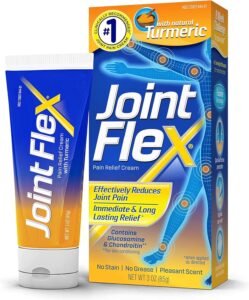
Joint Flex Creme
Effectively Reduces Joint Pain


Simple temperature therapy can provide fast, natural relief.

  • Heat therapy helps relax stiff joints and muscles

  • Cold therapy may reduce swelling and inflammation

Many seniors find alternating heat and cold especially helpful for knee or shoulder pain.


5. Maintaining a Healthy Weight

Excess body weight places added stress on weight-bearing joints such as the knees, hips, and lower back. Even modest weight loss can significantly reduce joint strain.

For seniors over 50, the focus should be on:

  • Balanced meals

  • Gentle movement

  • Sustainable habits rather than extreme diets

6. Natural Topical Remedies

Topical options may provide localized relief without affecting the entire body.

Popular natural choices include:

  • Capsaicin cream

  • Arnica gel

  • Magnesium oil

  • Essential oil blends (peppermint, eucalyptus)

These can be useful for sore knees, hands, or shoulders.


7. Improving Sleep and Stress Levels

Poor sleep and chronic stress increase inflammation and pain sensitivity.

Helpful habits include:

  • A consistent sleep schedule

  • Relaxing bedtime routines

  • Deep breathing or meditation

  • Limiting caffeine late in the day

Quality rest allows the body time to repair and recover.


When to See a Healthcare Professional

Natural remedies can be highly effective, but joint pain should never be ignored if it:

  • Worsens suddenly

  • Causes severe swelling

  • Limits basic movement

  • Persists despite lifestyle changes

A healthcare provider can rule out serious conditions and help guide safe treatment options.


Final Thoughts:

Natural Joint Pain Relief Is Possible After 50

Joint pain does not have to control your life after age 50.

By focusing on natural remedies, seniors can often reduce discomfort, improve mobility, and stay active without relying solely on medications.

The key is consistency, patience, and choosing strategies that support the entire body — not just the joints.

ARTHRITIS AND THE BENEFITS OF EXERCISE

The Benefits Of Exercise
Helps Ease Joint Pain

Your bones and joints are very crucial to your body.  They connect at different locations;  The joints in your fingers, knees, hips, and toes. 

Cartilage, a rubbery, protective layer that is present where your bones meet, guarantees that the joints bend smoothly and painlessly. 

But even cartilage needs help to do its job. The benefits of exercise ensure that the joints stay strong and pliable.
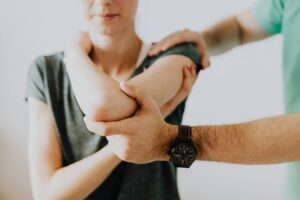
Health professionals diagnose and treat pain in arm

A thin membrane called the “synovium” provides fluid that lubricates the working parts of the joint.  When the cartilage wears out, the synovium becomes irritated or inflamed.

This results generally in a case of “osteoarthritis” or “rheumatoid arthritis.”


In osteoarthritis, the cartilage can break down to the point that bone does rub on bone. This type of arthritis develops gradually over a lifetime; a result of the wear and tear placed on your joints over the years.


A small minority of people escape some degree of osteoarthritis, though the severity of it may vary a great deal. 

If you are over the age of 50, you are more than likely to have at least one joint affected by osteoarthritis. 

Osteoarthritis is the most common type of arthritis, with almost 16 million Americans (men and women) on the list.
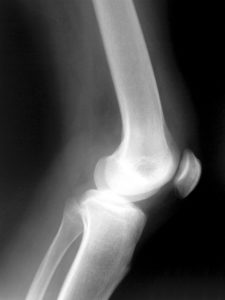
 

Example of arthritis in joints


In rheumatoid arthritis, damage to the synovium is the source of trouble.

  Doctors and researchers are not sure what causes it, but most think that rheumatoid arthritis is a disease in which the immune system attacks certain tissues in the body, including those that connect the joints and the synovium.


Starting with swollen, red, stiff, and painful joints, rheumatoid arthritis may continue until scar tissue forms in the joint or, in extreme cases, until the bones meld together.


Almost 75% of the 2 million people with rheumatoid arthritis in the United States are women.  The disease can hit as early as the teen years.


Prevention Through The Benefits Of Exercise

A good exercise and stretching plan can lead to great results when it comes to staving off arthritis.

Strong muscles help protect the joints from wear and tear. Exercises help keep the joints supple and flexible.


For anyone over the age of 50, good exercise planning is a must to keep the joints. 

In reality, most people over 50 would rather sit back and watch others jog by.

They believe that exercise is just for people who have been athletic all their life, or that exercise is for young people and participating in exercise will do them more harm than good.
 

Bike riding for health and fitness


People always make excuses when they don’t want to do something; “It’s too hard”, “no time in my schedule”, “I’m too tired”, and so on.  

If you want to make life easier with arthritis, start doing exercises to lessen the pain and increase mobility in your joints.


The key is consistency; get into the routine of exercising each day, and increase it over time.  

Preventing arthritis is not an exact science, but doctors have found several ways to lower the risk:


1. Don’t wait to lose weight

Losing weight is at the top of the list as the single most important measure to prevent osteoarthritis of the knee.

The more you weigh puts extra pressure on your knees.  For example, you put 60 pounds per square inch of extra pressure on your knees every time you take a step. 

That extra weight will erode the cartilage in your knees, leading to arthritis.


Knee cartilage pain


A theory that weight loss prevents the onslaught of arthritis is supported by a study. 

It states that overweight women who have lost 11 pounds or more over 10 years reduced their risk by 50% of developing osteoarthritis of the knee.


2. Stretch your muscles & Prevent Stiffness

Some of the health professionals of clinical medicine in New York City have discovered that any kind of stretching is good as long as you are careful not to bounce.

Bouncing can lead to a painful pull of the muscle(s).

Try to maintain a slow, steady stretch for 15 to 20 seconds, then relax and repeat.
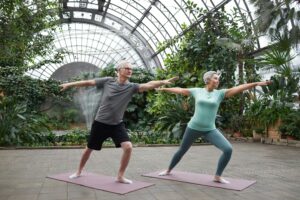
 

Exercising with partner


Be sure to warm up your muscles by stretching before any exercise, including running and walking. 

Consequently, it is also a good idea to stretch each day.

Ask your physician to teach you stretches that focus on potential arthritis trouble spots, such as the knees or the lower back.


3. The best exercise is walking

A good long walk at least three times a week, and participating in a step-aerobics or low-impact exercise routine can produce great results. 

There is no proof that running is bad for the joints, but remember, it may flare up an injury if you already have one. 
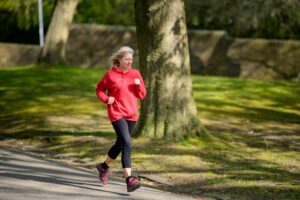
 

Running Improves health


Just remember to check with your health physician before beginning a new exercise program.

Exercise is necessary for good health and well-being. It helps reduce the wear and tear on joints.

Increased mobility in arthritic limbs is one of the benefits of daily exercise. 

Your body is not at its full peak if you don’t have an exercise regime.

Create a plan to get your body in shape while you are healthy.
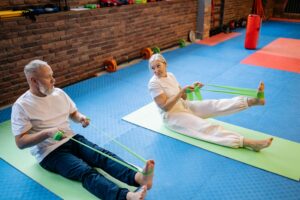


Keep in mind that a person who does not exercise, even if free from the symptoms of illness or problems like arthritis, is not at their full potential.

Check with a doctor, make a plan, and start exercises as soon as possible.